
Maintaining a comfortable temperature in commercial premises matters to customers, employees and everyday business operations. Shops, offices, beauty salons, cafés, restaurants and sports studios have different layouts, operating schedules and heating requirements. A suitable heating system must therefore take into account more than floor area: ceiling height, insulation, glazing, ventilation and the building’s actual heat loss all matter.
Teplov has been developing and manufacturing electric infrared heaters since 2005. We select heating solutions for commercial buildings according to the purpose of the premises and the results of a heat-loss calculation.
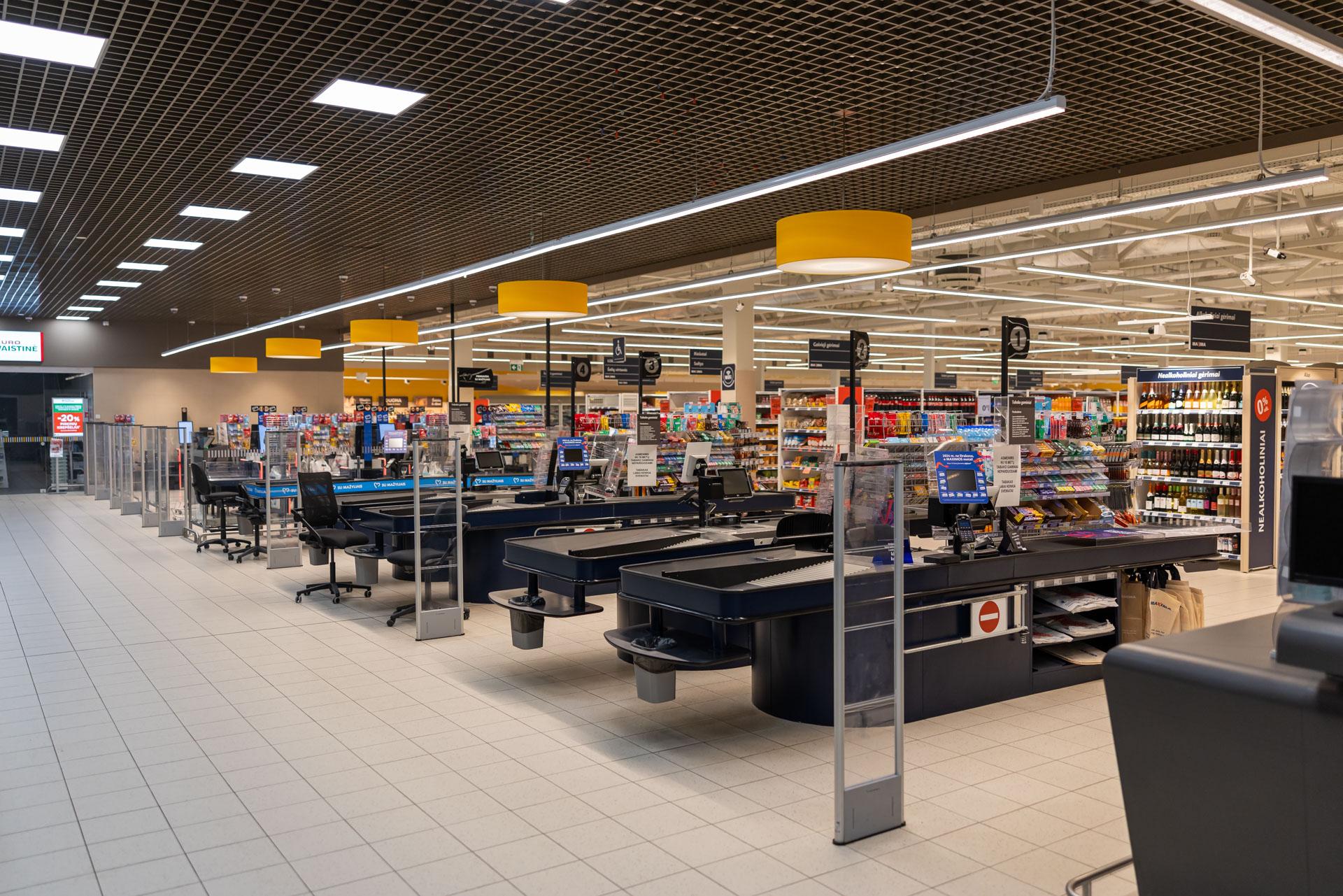
Retail spaces need comfortable conditions for customers and staff without interfering with product displays, shelving or lighting. Infrared heaters can be considered for sales floors, checkout areas, individual workstations and customer service zones.
System selection takes into account installation height, the layout of the retail space, the location of checkouts and shelving, and heat loss through entrances and large glazed façades.
One example is the heating of checkout areas at the METRO hypermarket chain. The project demonstrates the use of infrared heating in a specific functional area within a retail building.
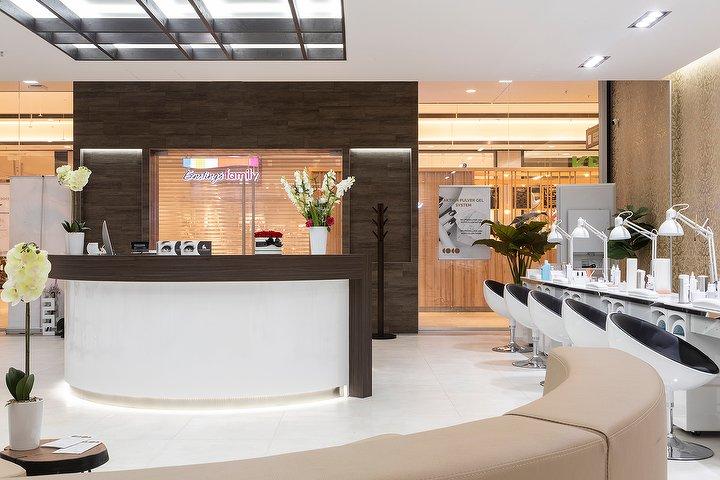
Offices and service premises need comfortable conditions at workstations, in waiting areas and in customer reception spaces. Ceiling-mounted or wall-mounted heaters may form part of a primary heating system or provide heat to selected zones, depending on the building’s characteristics.
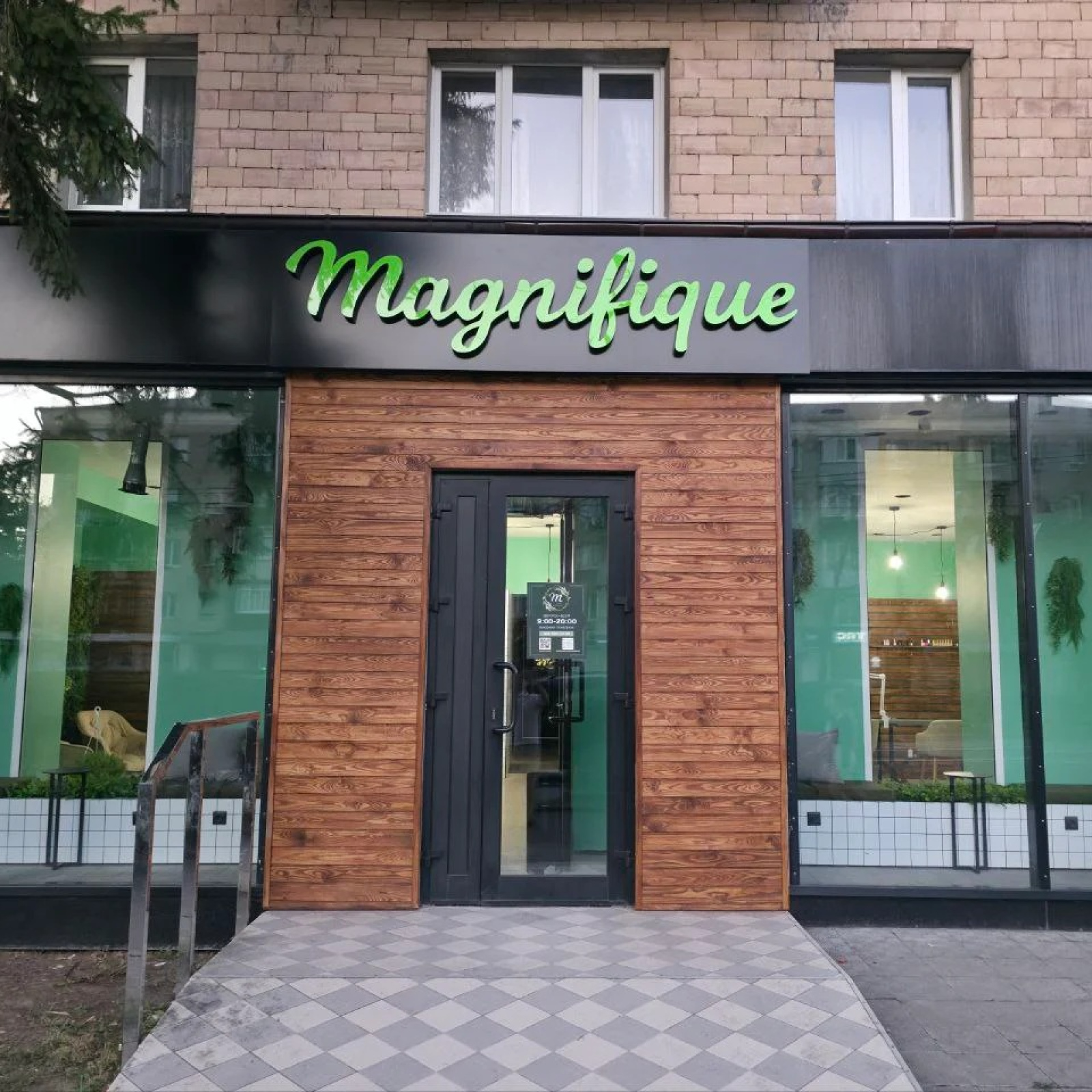
The solution is selected according to workstation layout, furniture, occupied areas, operating hours and installation options. Correct heater positioning is particularly important in beauty salons and other premises that regularly receive customers.
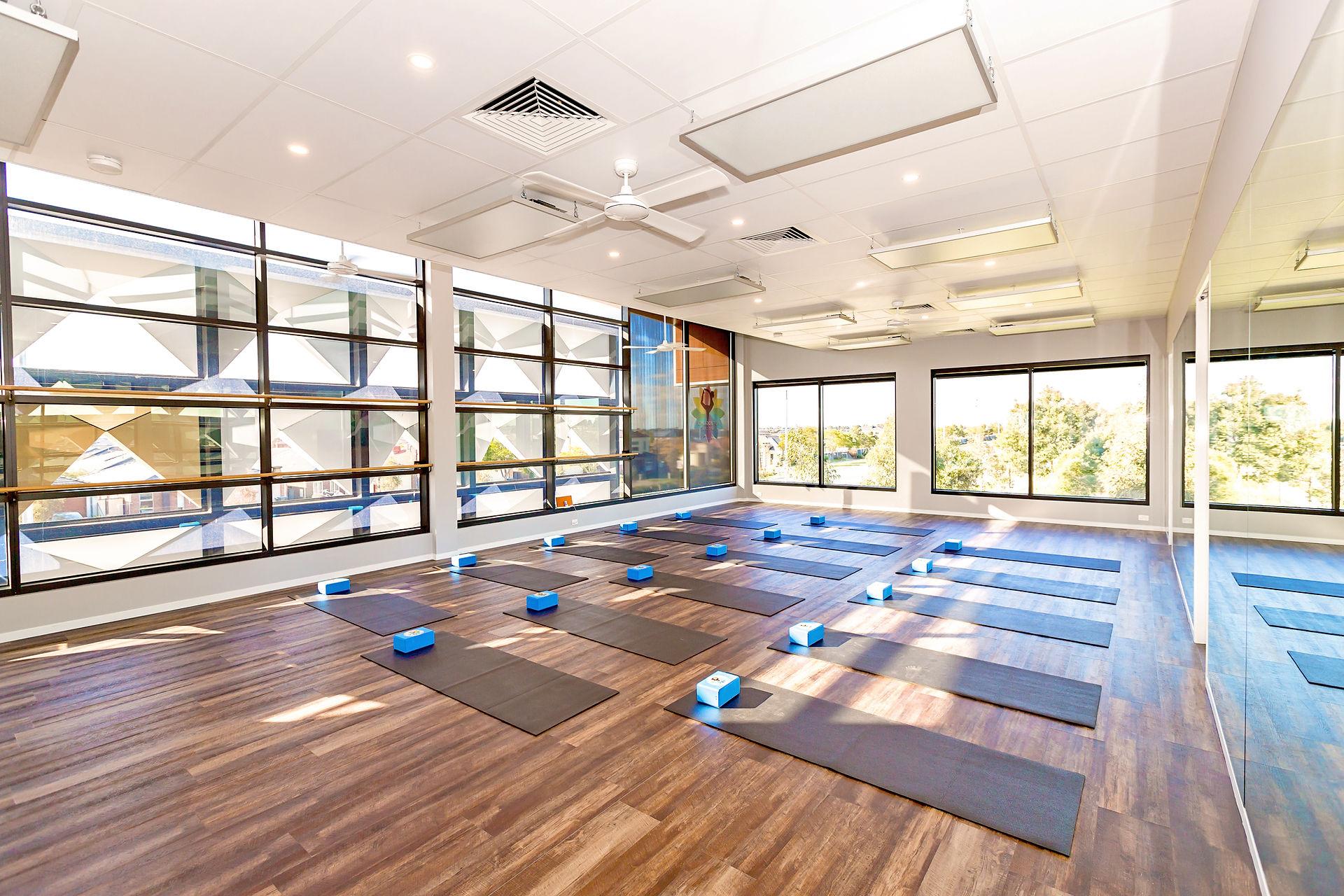
Sports facilities vary in ceiling height, air exchange rates and operating schedules. Some spaces may require heating throughout the room, while others may benefit from a solution focused on particular training areas.
An example is the Hot Yoga studio heating project. Equipment for sports and specialist studios must be selected according to actual operating conditions rather than copying the specifications of another building.
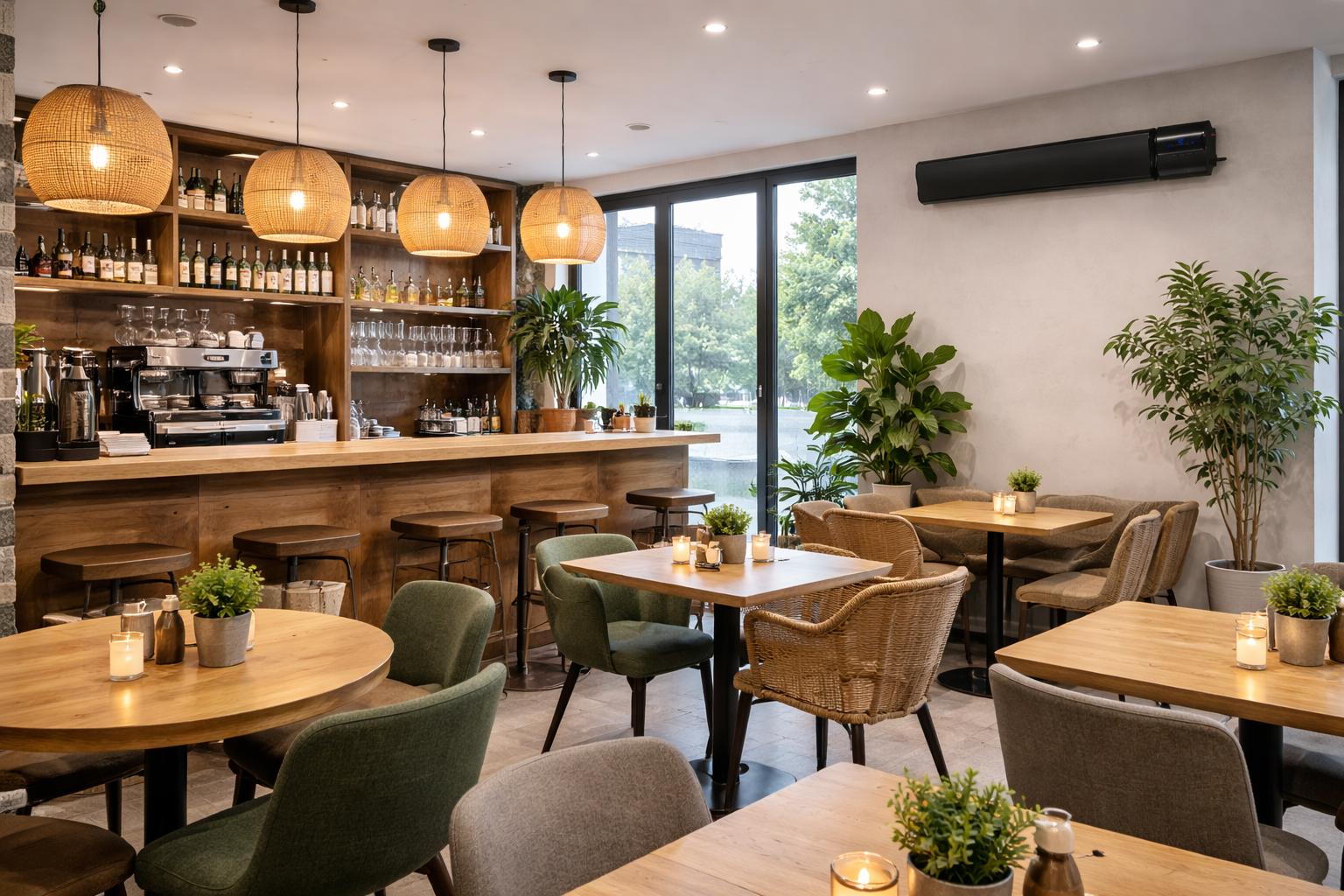
In hospitality venues, the heating system must suit the room layout, table arrangement, operating hours and comfort requirements of guests. Infrared heating may be considered for dining areas, waiting spaces and selected zones that require localised heating.
Outdoor seating areas and semi-open terraces require a separate assessment that considers wind, exposure, distance from people and permitted installation conditions. A solution suitable for an enclosed restaurant cannot automatically be assumed suitable for an open terrace.
Infrared heating may also be considered for selected public spaces, halls, places of worship, waiting areas and other buildings with specific operating requirements. High ceilings, large air volumes, architectural restrictions and intermittent use call for an individual assessment.
One specialist example is the heating project at Saints Peter and Paul Cathedral in Mykolaiv. Projects of this type require a separate review of installation constraints and operating conditions.
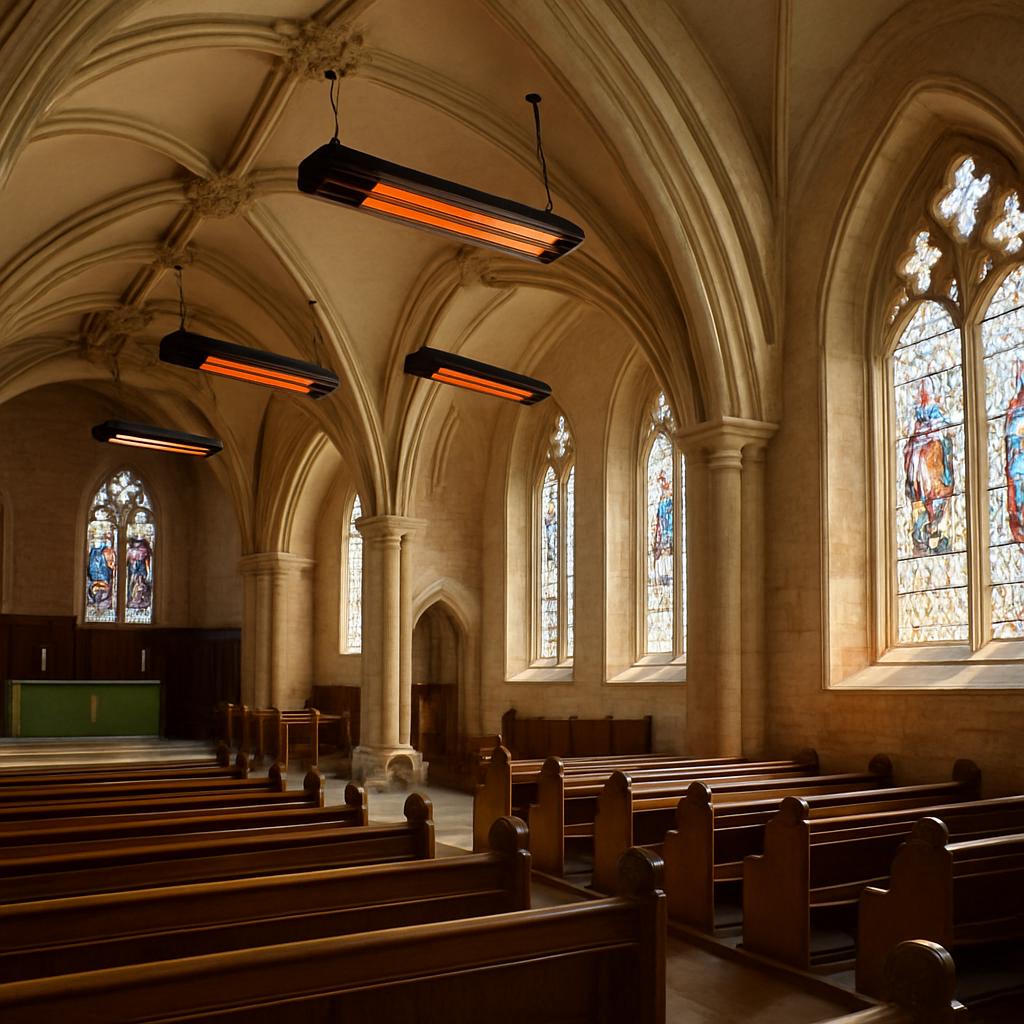
Infrared heaters can form the basis of a heating system when the heat-loss calculation confirms that the installed capacity is sufficient and the proposed layout suits the building and its operating conditions.
The equipment may complement an existing heating system when certain areas remain uncomfortable or additional warmth is required at particular times. The suitability of this approach depends on the cause of the problem and the premises’ operating schedule.
Retail spaces, offices and service premises may need heating in specific work areas or occupied zones. Heater positioning should take into account radiation direction, mounting height, furniture and the actual layout of the space.
Equipment selection starts with an assessment of the building, not simply with choosing a model based on floor area. Before recommending Teplov equipment, we determine the premises’ heat loss and check whether the proposed solution meets the heating requirements.
The assessment considers:
The assessment informs the heater type, rated power, number of units and installation layout. Rated power, electricity consumption and expected running costs are separate considerations and should not be treated as interchangeable figures.
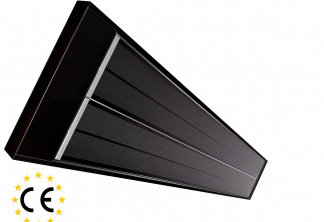
Ceiling-mounted and wall-mounted electric infrared heaters may be suitable for commercial applications. The appropriate type depends on ceiling height, the required heating zone, the target temperature and installation conditions.
Browse the Teplov ceiling-mounted infrared heater catalogue to review available models. The final model and quantity should be determined from the heat-loss calculation and installation layout, rather than from an indicative floor-area figure alone.
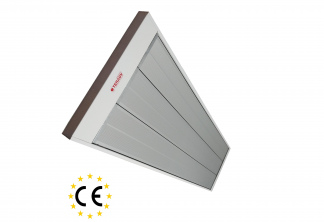
Wall-mounted models may also be considered for premises with lower ceilings or where wall installation is preferable, subject to a review of their intended application.
Real projects illustrate how infrared heating can be used in premises with different purposes:
Explore more examples in the Teplov project portfolio. Before publication, verify the portfolio URL and use the correct case links for each language version.
H2: How to start a project
To discuss infrared heating for your commercial premises, provide the main details of the building: its purpose, floor area, ceiling height, location, construction, insulation and operating schedule. If available, include a floor plan and photographs.
This information can be used to proceed with heat-loss assessment, equipment selection and planning possible installation locations.
Contact Teplov to discuss your commercial heating project and the next steps towards a heat-loss calculation.
Can infrared heaters be used as the primary heating system for a shop or office?
Yes, where the heat-loss calculation confirms sufficient system capacity and the equipment is positioned appropriately for the premises.
Can infrared heaters provide localised heating at workstations?
Zoned or localised heating may be possible in some premises. Suitability depends on the heater model, distance from occupants, mounting height and room layout.
How is the number of heaters determined?
The building’s heat loss must be calculated, taking into account ceiling height, insulation, glazing, ventilation and the required temperature. Floor area alone is not enough for accurate equipment selection.
Can infrared heaters be installed in a restaurant or on a terrace?
Enclosed dining areas and open or semi-open terraces require different solutions. Equipment and positioning must be selected according to operating conditions and applicable safety requirements.
Can infrared heaters supplement an existing heating system?
Yes. They may be used as an additional heat source. The appropriate approach depends on the existing system, available electrical capacity and the building’s heating requirements.
Price: UAH 11,200.00
Price: UAH 14,200.00



18 November 2025
The Teplov company successfully implemented a joint charity project with the Caritas Kharkiv Charitable Foundation for the supply of wall-mounted infrared heaters.
See more13 July 2021
Ceiling heaters BiLux Ukraine lost a patent dispute to Ukrprom Company, the owner of intellectual rights to infrared heaters TM Teplov
See more23 March 2021
Buying infrared heaters Teplov you not only support the Ukrainian manufacturer, but also acquire really high-quality heaters for many years.
See more01 July 2020
Vinnitsa National Technical University conducted research on modern heating systems in industrial premises
See more


