
Heating a polycarbonate greenhouse with infrared heaters
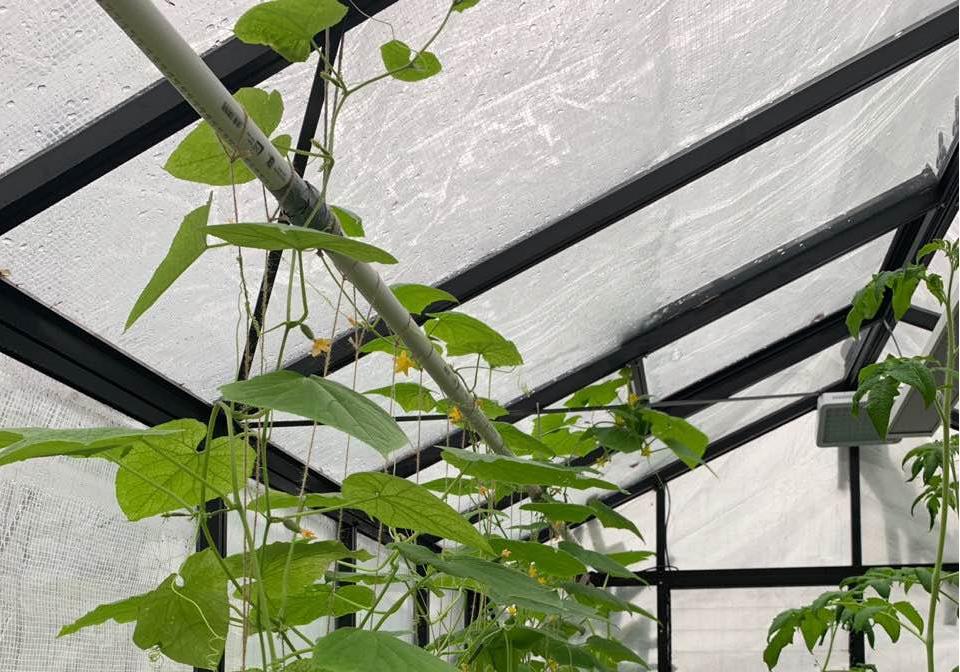
Heating a polycarbonate greenhouse requires the right choice of heating system to maintain a suitable temperature not only in the air but also in the growing zone, soil and around the plants.
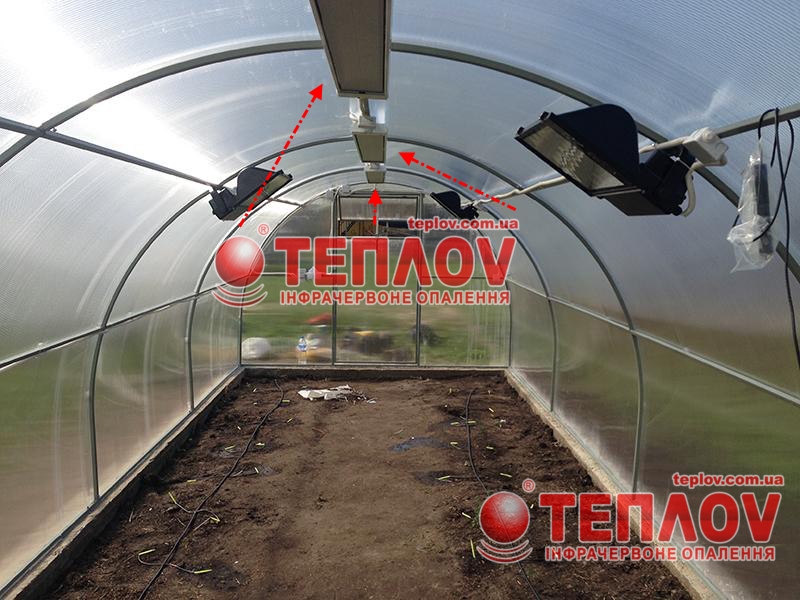
For this project, electric infrared heaters by TM Teplov were used to heat a polycarbonate greenhouse. The equipment was installed on the ceiling and transfers thermal energy directly to surfaces and objects within the infrared radiation zone.
Task: Providing Heating for the Greenhouse
The main objective of the project was to organize an effective heating system for a polycarbonate greenhouse and maintain the required temperature conditions.
When selecting the heating system, the greenhouse structure, the operating principle of infrared heating and the possibility of installing the equipment on the ceiling without occupying useful working space were taken into account.
Solution — Teplov Infrared Heaters
Teplov ceiling-mounted infrared heaters were selected for heating the greenhouse.
Infrared heaters transfer thermal energy not only to the air but directly to surfaces and objects exposed to infrared radiation. In a greenhouse, these can include the soil, plants, growing racks and structural elements.
This heating principle makes it possible to provide localized and zonal heating depending on the specific requirements of the greenhouse.
Different equipment options can be selected in the section dedicated to ceiling-mounted infrared heaters.
How Infrared Greenhouse Heating Works
Unlike traditional heating systems that primarily rely on heating and circulating air, infrared heating transfers thermal energy directly to surfaces and objects within the radiation zone.
The heated surfaces then release part of the absorbed heat into the surrounding air.
This principle is particularly suitable for greenhouses because the heat sources can be installed directly above the growing area. Ceiling installation also helps keep the working space inside the greenhouse free from heating equipment.
Air and Soil Temperature in the Greenhouse
The project materials refer to research by the Center for Ecological Agriculture in Dnipro. According to the data presented in these materials, when the greenhouse air was heated to +21°C, the soil temperature reached +28°C.
These figures are presented specifically in the context of the project materials and illustrate the difference between air temperature and the temperature of surfaces heated by infrared radiation.
The actual heating parameters of a particular greenhouse depend on its construction, area, height, heat losses, outdoor temperature and other operating conditions.
Main Project Parameters
|
Parameter |
Value |
|
Object |
Greenhouse |
|
Covering |
Polycarbonate |
|
Purpose |
Greenhouse heating |
|
Heating system |
Electric infrared heating |
|
Equipment |
Teplov B1000 |
|
Installation type |
Ceiling-mounted |
|
Rated power of one heater |
1000 W |
|
Approximate heating area of B1000 |
Up to 10 m² |
|
Project year |
2020 |
The stated heating area is approximate. The required number and power of heaters should be determined individually based on the heat losses and other characteristics of the specific greenhouse.
Teplov B1000 Ceiling-Mounted Infrared Heaters
The project used Teplov B1000 infrared heaters.
The B1000 has a rated power of 1000 W and is designed for ceiling installation. Its approximate heating area is up to 10 m², while the actual heating requirements depend on the thermal characteristics of the building or greenhouse.
Ceiling installation makes it possible to keep the working area free and position the heat sources above the growing zone.
Detailed specifications and technical characteristics are available on the Teplov B1000 infrared heater product page.
Advantages of Infrared Greenhouse Heating
Using infrared heaters in greenhouses offers several practical advantages:
- ceiling-mounted installation;
- no need to occupy valuable working space with heating equipment;
- direct transfer of thermal energy to surfaces and objects within the radiation zone;
- the possibility of localized and zonal heating;
- the possibility of maintaining a preset temperature when an appropriate control system is used;
- no need to install heating pipes with a circulating heat-transfer fluid inside the greenhouse.
The exact heating system configuration should be selected individually for each project.
Project Result
As part of the project, heating of the polycarbonate greenhouse was organized using Teplov B1000 ceiling-mounted infrared heaters.
The use of infrared heat transfer made it possible to install the heating equipment on the ceiling and direct thermal energy into the growing zone.
This project is an example of how infrared heating can be used in agricultural applications.
If you are planning infrared heating for greenhouses and agricultural facilities, Teplov specialists can help select suitable equipment based on the area, height, construction and heat losses of the facility.