
Heating a martial arts hall and dance studio

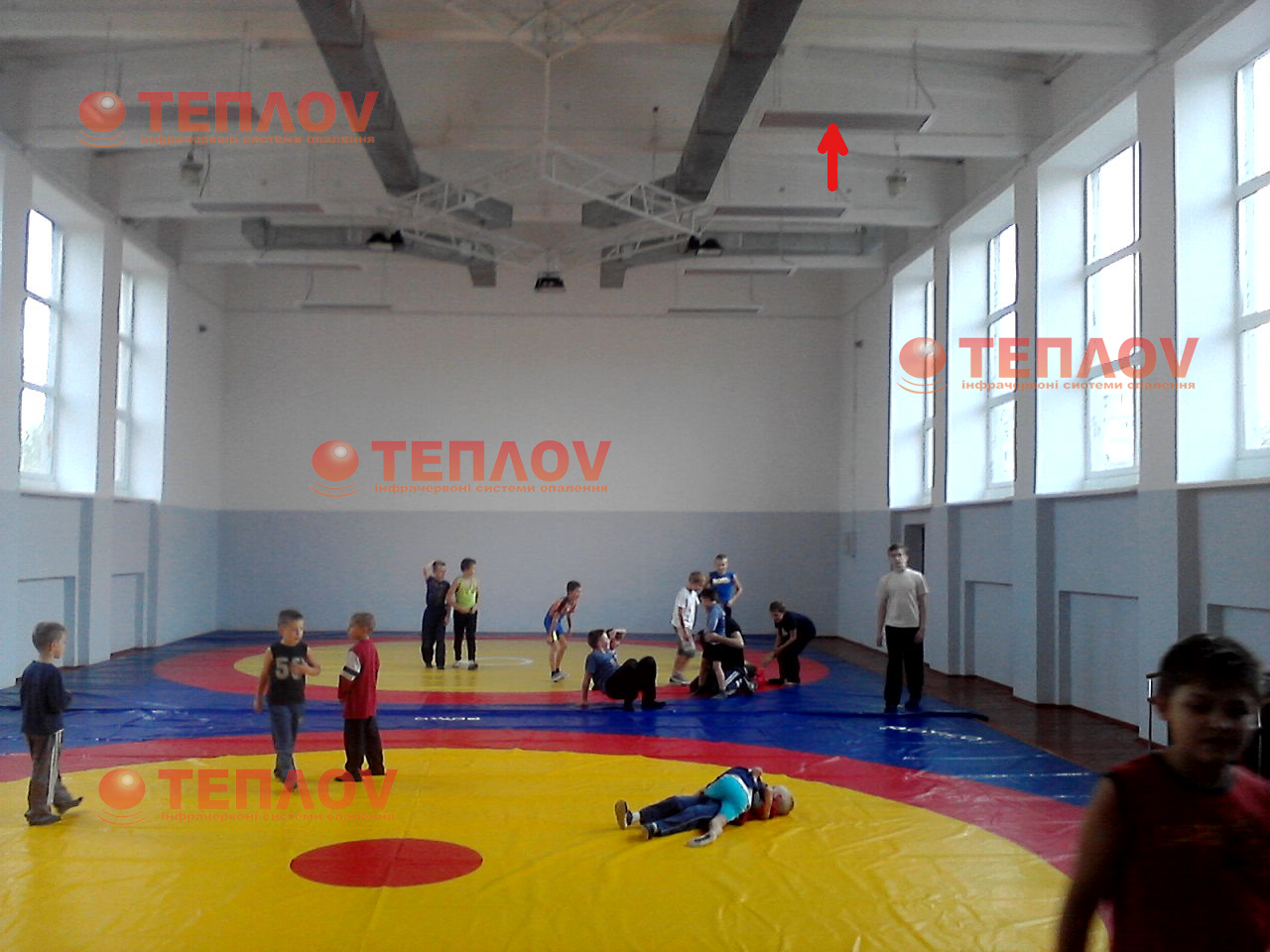
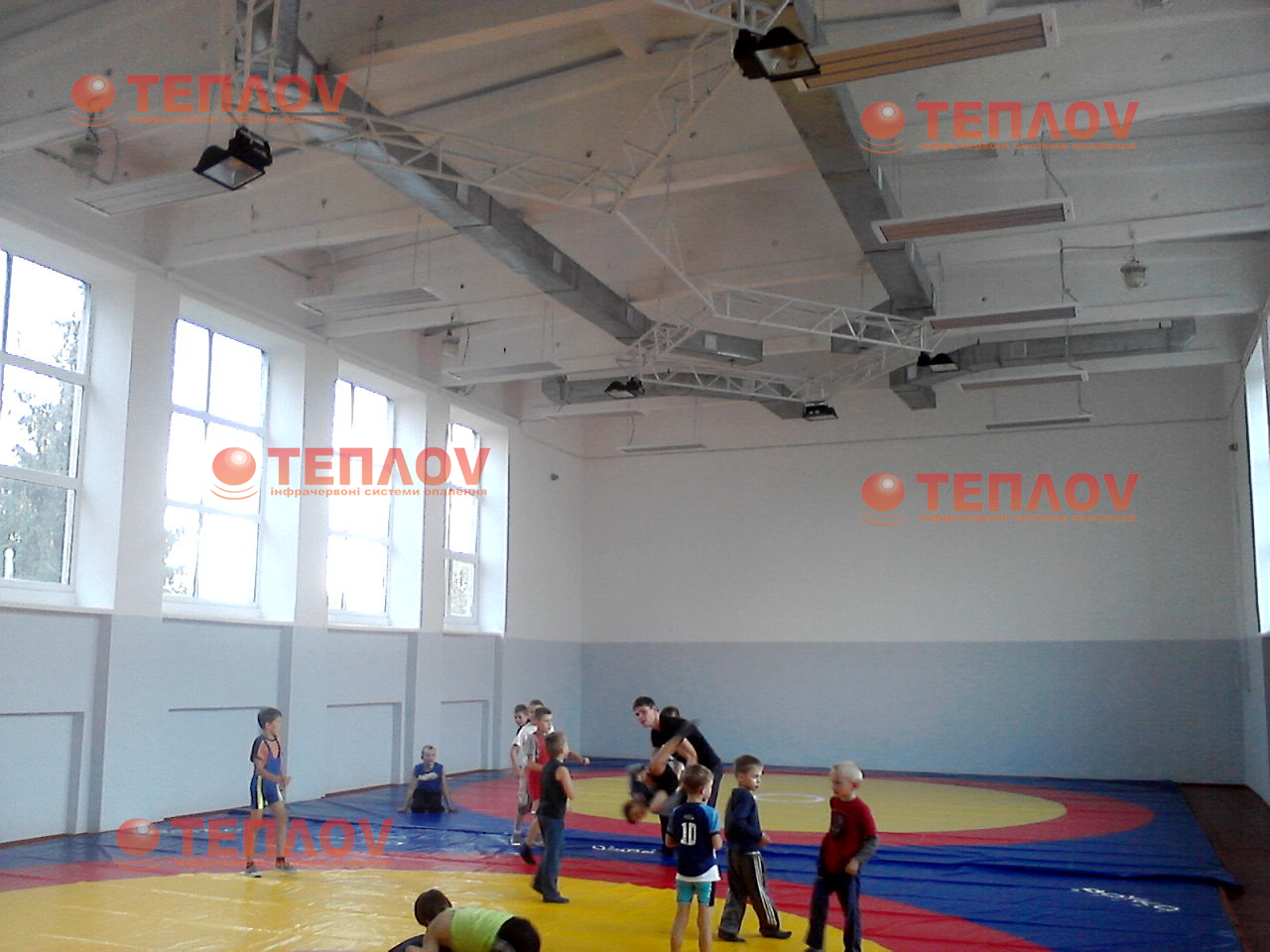
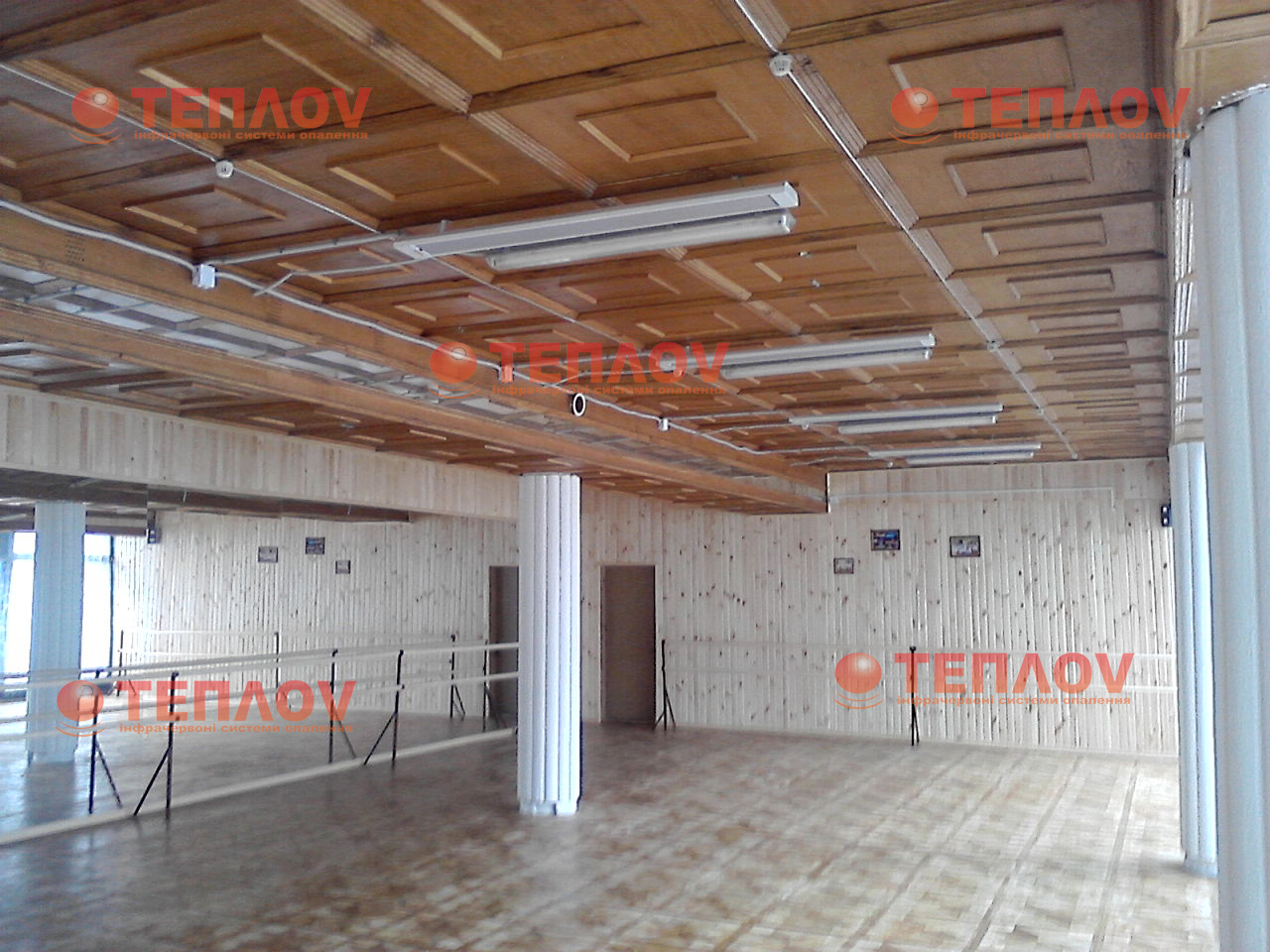
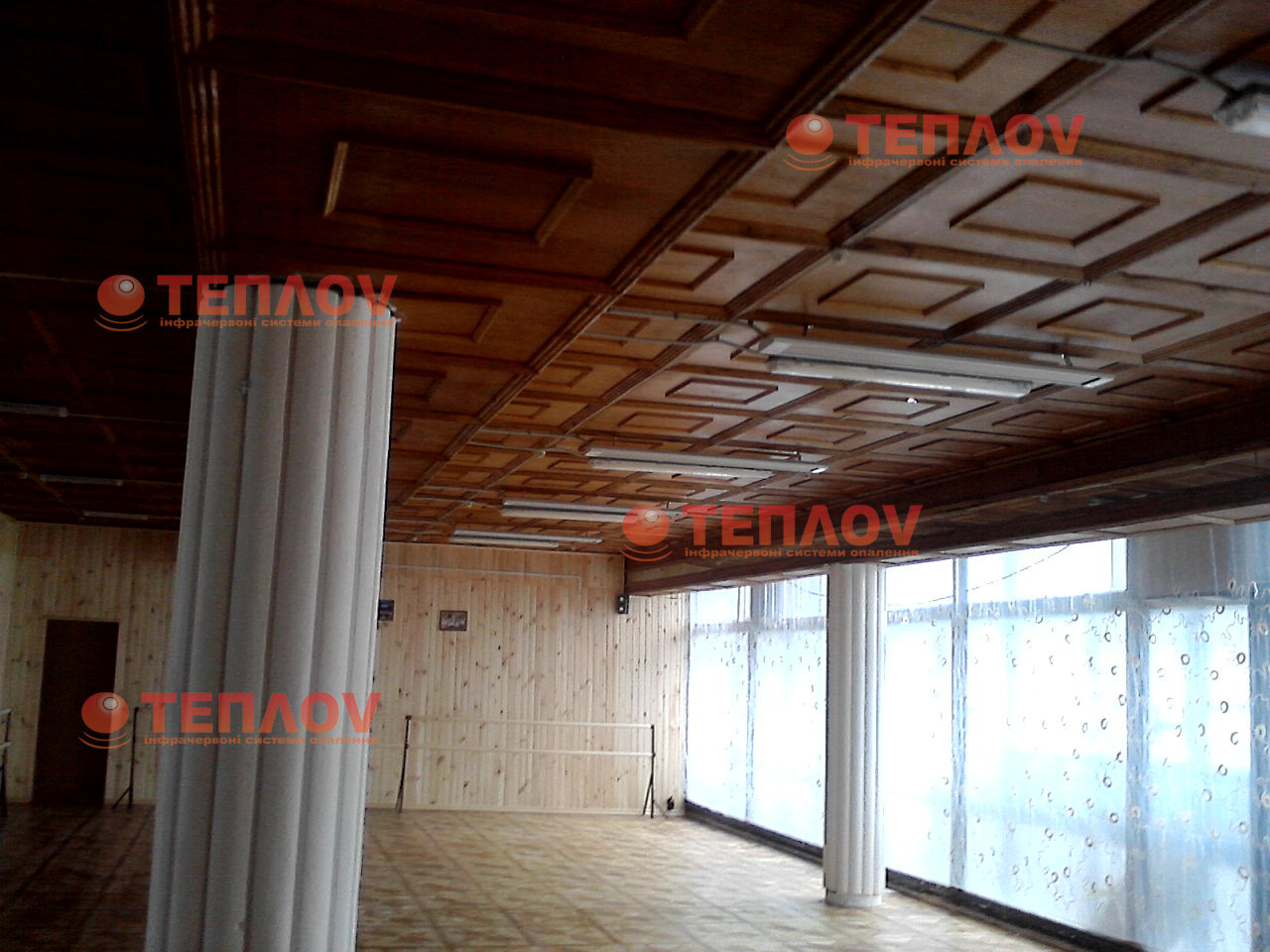
Infrared heating was installed in two rooms at the Tekstylnyk cultural centre in Rivne: a sports hall used for martial arts and a dance studio. A separate set of heaters was selected for each room to suit the installation conditions.
In the martial arts hall, warming the mats was an important result. Before Teplov was installed, the surface was cold and uncomfortable during classes. After infrared heating was introduced, the mats became warm and training became more comfortable.
Equipment for the two rooms
| Parameter | Martial arts hall | Dance studio |
|---|---|---|
| Heaters | Teplov P3000 | Teplov B1350 |
| Quantity | 10 units | 10 units |
| Mounting height above the floor | 6 m | 3.2 m |
| Installation | Ceiling-mounted | Ceiling-mounted |
Why infrared heaters warm the mats
The different models and mounting heights reflect the conditions in each room. This approach allows equipment to be selected for each hall’s requirements instead of applying a single heating layout throughout the building.
Infrared heaters transfer part of their thermal energy by radiation directly to surfaces within their coverage. The mats absorb this energy and their surface warms up. The heated surfaces then release heat to the surrounding air.
This has a practical benefit in a martial arts hall. During exercises, athletes are in direct contact with the surface, so comfort depends on the temperature of the mats as well as the air. Even when the air temperature is acceptable, a cold surface can remain uncomfortable to touch.
At this site, ten Teplov P3000 heaters mounted at a height of 6 metres provided space heating and warmed the mats. The change from cold mats to warm ones was a tangible result of the technology, noticeable during training.
Heating the dance studio
Ten Teplov B1350 heaters were installed in the dance studio, 3.2 metres above the floor. Ceiling placement kept the space clear for movement, exercises and teaching groups.
Ceiling-mounted infrared heaters take up no usable floor space. This is practical in rooms where people’s positions and class activities change, and the floor needs to remain open.
Both rooms use the same heat transfer principle, but the equipment and mounting heights differ. Selection for another site should account for heat losses, room dimensions and the distance from the heaters to the activity area.
Why the Teplov solution suited this site
The project combined two tasks: providing heating for active classes and keeping the floor areas clear. The martial arts hall had an additional concern that directly affected training — cold mats.
Ceiling installation positioned the equipment above the activity area. The infrared component transferred heat to surfaces, including the sports hall matting. The result was apparent in everyday use: the mats became warm and contact with them during exercises became more comfortable.
Another example in a public building is the cultural centre auditorium heating project. There, the main task concerns audience comfort and preparing the room for events. In the sports hall, direct contact with the floor covering is particularly important, and this is the defining feature of the project.
Selecting heating for a sports hall or dance studio
Equipment selection requires the floor area, possible mounting height, insulation, glazing and ventilation details, class schedule and available electrical capacity. For a martial arts hall, the location of the training area and the type of floor covering are also important.
These details help determine heater models, quantities and positions, and calculate equipment costs. Other applications are presented in our section on heating sports facilities and other public premises.
Sports hall and dance studio heating questions
Why do mats warm up with infrared heating?
The mat surface absorbs infrared radiation from the heaters and warms up. At this site, cold mats became warm after Teplov P3000 heaters were installed, improving training comfort. Results in another hall will depend on the floor covering, heating capacity and equipment positioning.
Why were different heaters installed in the martial arts hall and dance studio?
The installation conditions differ: P3000 heaters were mounted at 6 metres, while B1350 units were mounted at 3.2 metres. Models and quantities are selected according to mounting height, heat losses and the activity area. The equipment set for one room should not automatically be copied to another.
Does infrared heating replace sports hall ventilation?
No. Heating supplies heat, while ventilation provides the necessary air exchange. Both are required during classes. Ventilation heat losses are taken into account when selecting heating capacity.